

Gail Koford, an original member of the Clermont Agenda For the Future (AFTF) team, and Chris Curtin with the Clermont County Educational Service Center and the AFTF 2035 Steering Committee joined Good Day Clermont! to discuss the status of the program.
Between 2003 and 2012, Clermont County experienced rapid suburbanization and population growth, adding roughly 13,000 residents to the area. The county's population steadily increased from approximately 186,000 in 2003 to nearly 200,000 by 2012, driven by commercial development and a soft transition from a rural to an urban community.
Stream the latest episode of "Good Day Clermont!"
This decade of growth indicated Clermont was on track to becoming a hotspot for families and businesses moving in from beyond the Greater Cincinnati region. However, concerns about external influences on businesses and the loss of community identity became worrisome for many existing residents.
During this period, then-President of Park National Bank, David Gooch, identified the need to unify Clermont County around shared purposes and values. The idea for an Agenda For the Future forum, outlining key goals for the next decade, arose from conversations among community organizers and locals.
 Clermont County grows, Cincinnati.com
Koford, among leaders from the agricultural, residential, urban, and private sectors, gathered in one room to generate questions about what different groups in Clermont needed as a community.
Chris Curtin has been active in the region since before the inception of AFTF 2014. “I’ve been working in Clermont County for over 20 years now,” Curtin said. “What really strikes me is how intertwined the areas really are.”
AFTF 2014 identified 23 goals across 7 themes, including transportation, community vibrancy, education, job opportunity, and more. The group collected funding with the help of Park National Bank, the Chamber of Commerce, and other local organizations to address these goals.
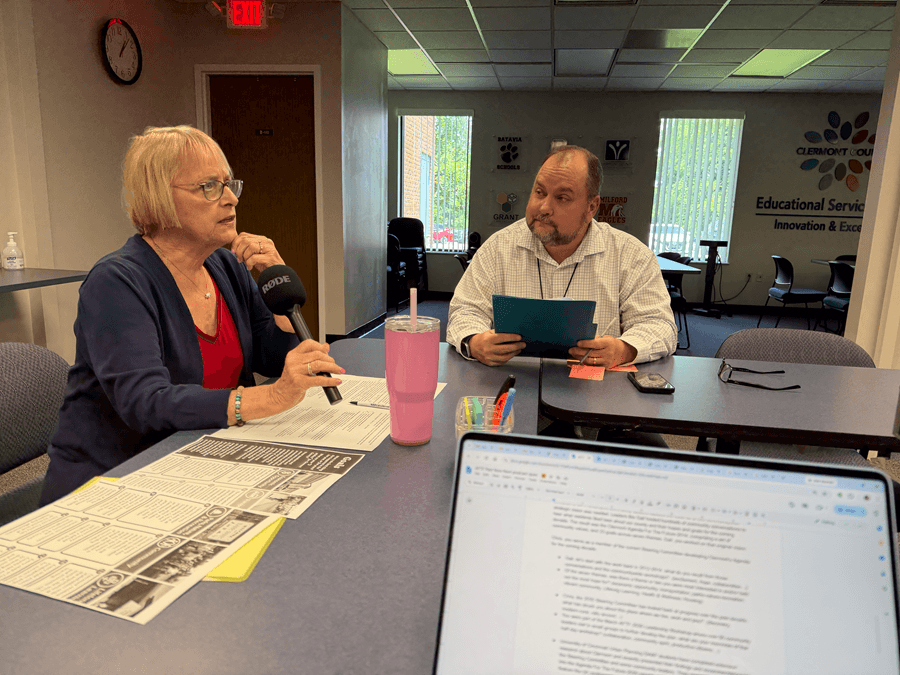 Gail Koford and Chris Curtin discuss Agenda For the Future.
“Change is coming,” Curtin advised. “We can either take control of that change and develop Clermont County in a way that the residents here feel would be best for Clermont County, or we can let it control us.”
Despite information silos existing in these early years, they did not prevent collaboration between community leaders and residents. AFTF became active in the Ohio Safety Net Alliance to better facilitate cross-sector collaboration. Through this resource, nonprofits could share resources and strategies to strengthen growth across the county.
“I think collaboration has begun and is growing. We still have a long way to go, there’s still more that’s needed, but the seed has been germinated.” Koford said.
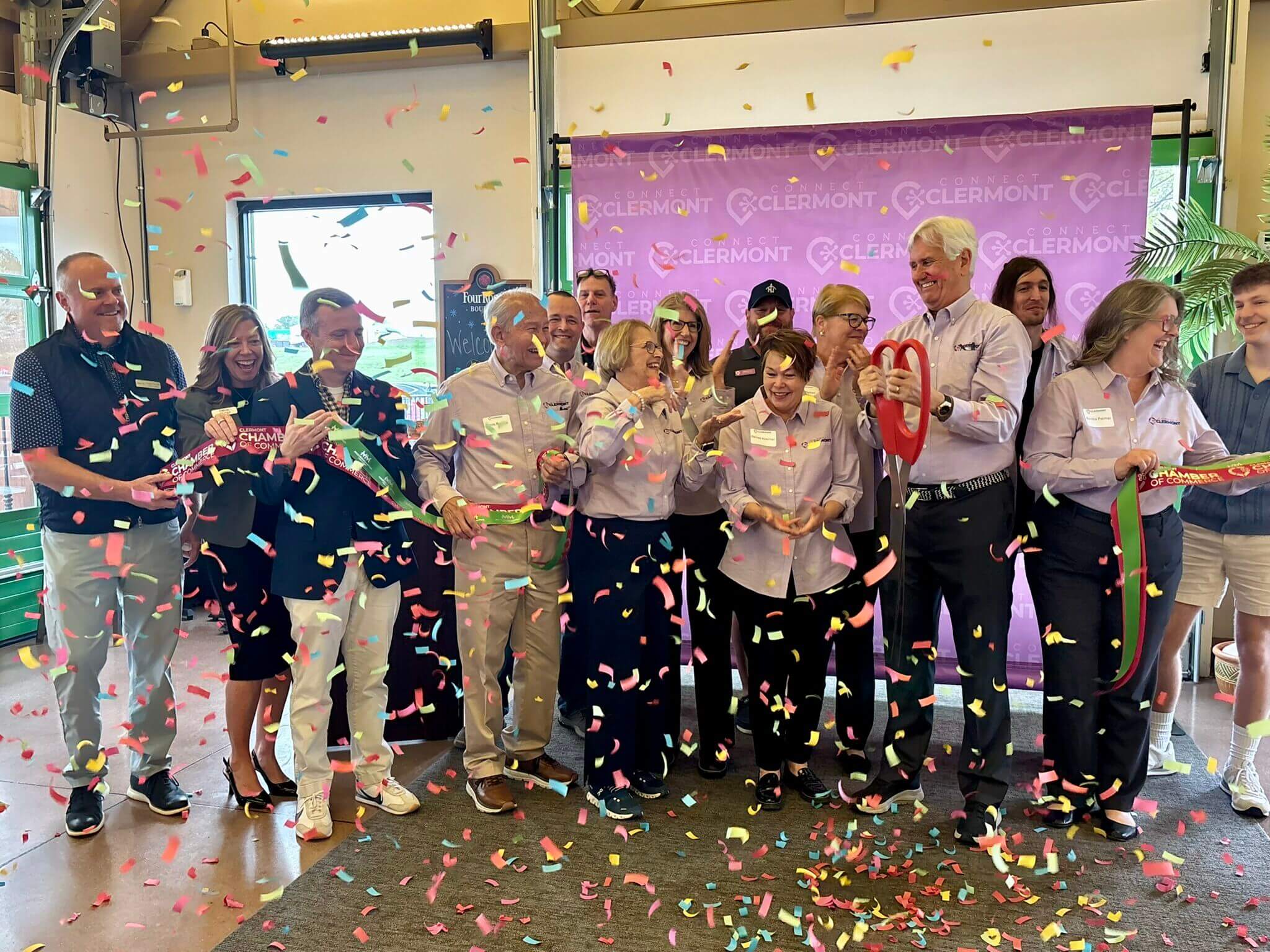 Connect Clermont launches news platform.
Connect Clermont formed as a response to these issues, targeting goals set by AFTF and communicating the Good Works and Good Deeds of residents across the region.
Today, Connect Clermont maintains an active newsletter and website to promote Good News and events; two previously missing resources that Clermont residents were vocal about over the last few years.
Stream the latest episode of "Good Day Clermont!"
Koford and Curtin praised the community for its spirit of collaboration and willingness to cooperate, even when it demanded sacrifices. AFTF 2035 continues the tradition of representing different groups in Clermont on an equal platform.
“We’re being productive, and we’re preserving the past too,” Koford said. “I think it’s really exciting where we’re going.”
The updated Agenda calls for more attention toward youth development and leadership training. “When you serve, something is within your heart that generates more kindness, and a deeper appreciation for the people that you meet and the community that you live in,” Koford said.
Curtin emphasized the importance of active listening within the community during these critical years of growth. Maintaining a small-town vibe with a big-town feel has become a popular motif among locals. “In order to do that, it’s controlled growth. It doesn’t happen by accident; it happens by design and planning and groups coming together to say ‘this is how I want things to go’.” Curtin said.
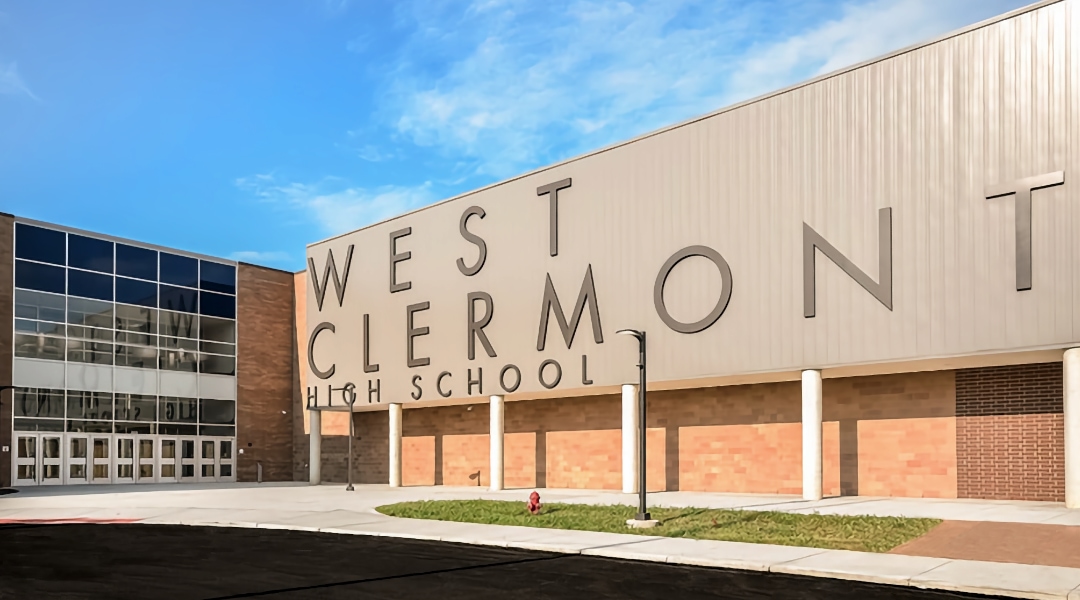 Clermont schools provide new opportunities for youth.
AFTF 2035 refines many of the strategies and procedures set by its predecessor. A larger volunteer network is forming to manage specific tasks geared toward agricultural protection and charitable giving. As rapid infrastructure growth continues along the State Route 32 corridor and beyond, it has become ever more important for locals to make their voices heard.
Be part of the conversation by following Connect Clermont.


Comments
No comments on this item Please log in to comment by clicking here